


info@yuvaparivartan.org
The IRDP aims at improving the livelihood of the marginalized farmers and their families by providing them with required skills aimed at improving livelihood (agricultural and non-agricultural), knowledge and kit-based support. Basically, it works on uplifting these families through many self-employment opportunities across micro industries, agriculture, animal husbandry and introducing newer ways of generating additional incomes from their existing resources.
IRDP aspires to play a crucial role in fostering inclusive growth, helping bridge the urban rural divide.
Creating water-secure villages through rainwater harvesting, solar irrigation and sanitation infrastructure. Our initiatives ensure sustainable access to water and improved hygiene.
We promote climate adaptive farming by uniting traditional knowledge with modern technologies. We do it through training, sustainable innovations, and increased productivity that help farmers grow and become efficient.
We promote scientific livestock practices, training and entrepreneurship development, improving nutrition, income and employment opportunities for rural households. Basically, Yuvaparivartan is trying to transform rural animal husbandry into a growth engine for elevating rural livelihood.
We are consistently working on developing entrepreneurial and leadership skills, amongst rural/tribal women with the objective of financial independence and family income augmentation. We firmly believe – When women thrive communities flourish!
We focus on empowering rural and tribal communities by equipping farmers, youth, and women with practical skills in areas like organic farming, solar repair, and tailoring. These trainings promote self-employment, sustainable livelihoods and financial independence, helping communities grow beyond traditional income sources.
We are talking about landless and marginalised Adivasi women. We are talking about empowering them in a meaningful way and bringing their role from a background existence to a key contributor to the family’s overall health.
The One Guntha Project is Kherwadi Social Welfare Association’s flagship model to help them achieve food security, generate supplementary income, and create climate-resilient livelihoods for themselves.
One guntha (approx 1000 sq ft) is enough to grow vegetables, rear backyard poultry, and produce organic manure. When these get combined with the right skills, resources, and community support, it leads to economic independence and self-assertion for Adivasi women.
To the Adivasi women:
A small contribution from you carries with it the weight to make an impact that has longer lasting impact. With your contribution you make a difference not just to the Adivasi women but through her to the family itself.
The success story that this creates making it easier for many others who are watching from the sidelines taking the decision that you have to contribute and make a difference
1. Community Mobilisation
Village meetings and focus-group discussions build trust and identify women ready to lead. Local self-help groups (SHGs) become key partners for collective action and peer learning.
2. Capacity Building & Training
Women receive hands-on training in:
○ Kitchen gardening and seasonal crop planning
○ Organic soil enrichment and composting
○ Backyard poultry management (feeding, vaccination, hygiene)
3. Starter Resource Kits
Each participant is equipped with seeds, saplings, composting units, and ten poultry birds (3 male and 7 female chicks) to start the micro-enterprise immediately.
4. Technical & Market Linkages
KSWA field teams provide on-site mentorship, periodic veterinary support, and connections to local markets and government schemes for sustained profitability.
The One Guntha model is designed for low-cost replication. Once initial training and inputs are provided, women recycle seeds, expand poultry flocks, and produce their own organic manure, making the initiative self-sustaining within a year.
Neighbouring households often adopt the approach, creating a ripple effect that strengthens local food systems and rural economies.
Through the One Guntha Project, KSWA showcases how a single plot of land can catalyse grassroots empowerment, scalable models, and long-term sustainability. This initiative reflects our commitment to fostering ecological balance and economic dignity, one household, one community, and one guntha at a time.














Email: aparna.chalke@yuvaparivartan.org
Mob: 8828103531
Copyright © 2026 Yuva Parivartan — A movement of Kherwadi Social Welfare Association (KSWA) . All Rights Reserved · Privacy Policy
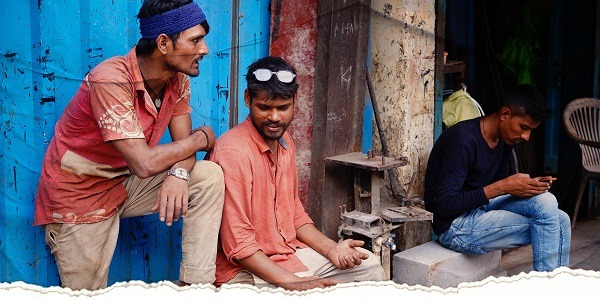
Your support is vital to India’s Underprivileged Youth in need of a second chance in life. Donate to keep the mission alive.